Why Browsers Could Replace Your Entire Computer
Introduction
For most people, a computer is still defined by what’s installed on it.
You buy a machine, choose an operating system, install software, and that becomes your workspace. Everything you do — from writing documents to editing videos — depends on what lives inside that device.
But if you really look at how people use computers today, something doesn’t add up.
A huge portion of what we do no longer happens inside installed programs. It happens inside the browser.
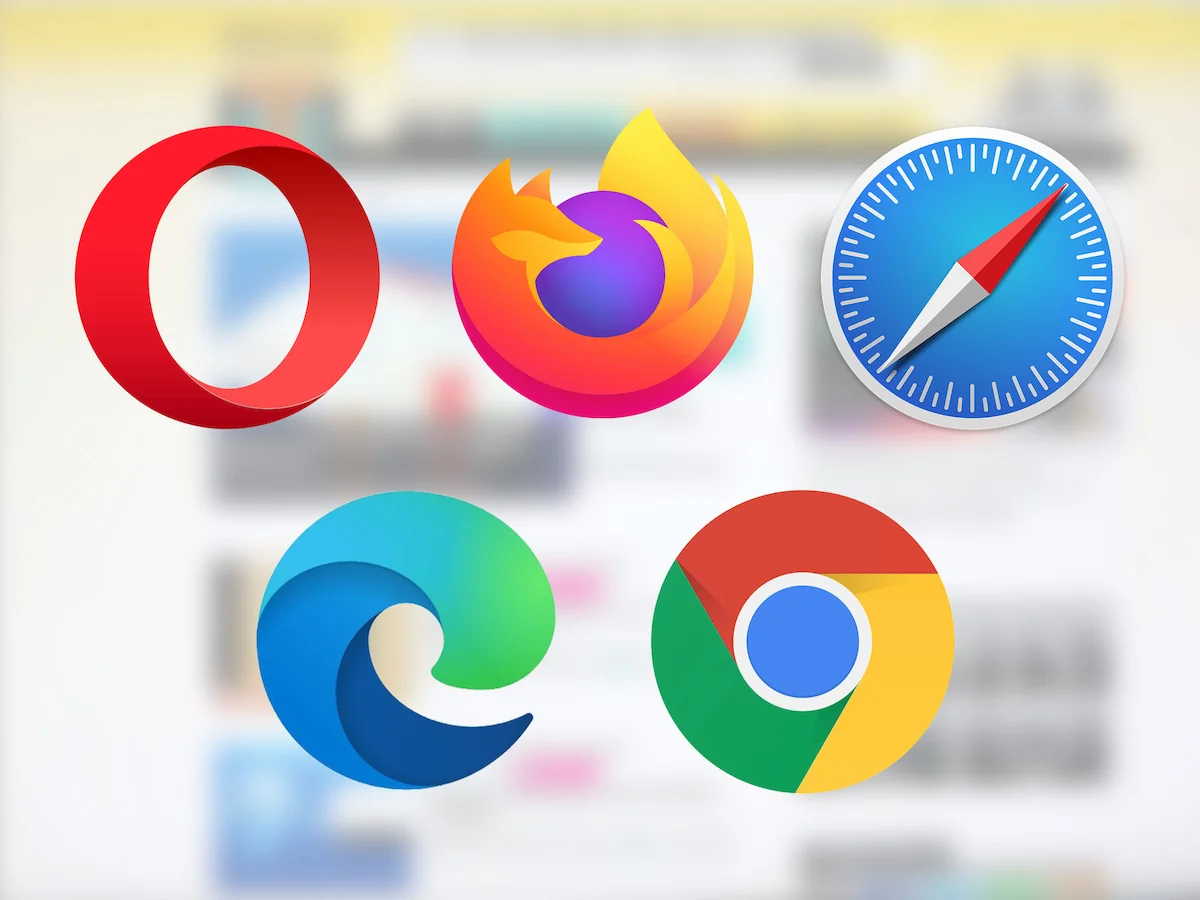
You open Chrome, Safari, or Edge… and suddenly you’re working, communicating, creating, and even running complex tools — all without installing anything.
At first, this feels like a convenience.
But it’s more than that.
It’s a signal that the browser is no longer just a tool.
👉 It’s becoming the computer itself.
The Shift No One Talks About
If you ask someone what they use their computer for, they might say:
- writing
- watching videos
- working
- managing files
But ask a deeper question:
👉 “Where do you actually do those things?”
In many cases, the answer is:
👉 inside the browser.
Google Docs replaces Word.
Figma replaces design software.
Notion replaces multiple productivity tools.
YouTube replaces traditional media.
Even communication — email, chat, meetings — happens in the browser.
This is not a coincidence.
It’s a transition.
The Browser as a Platform
Browsers used to be simple.
They were designed to display websites.
That’s it.
But over time, they evolved into something much more powerful.
Today, a browser can:
- run complex applications
- manage multiple processes
- store data locally
- handle file interactions
- execute scripts at scale
In many ways, it already performs tasks that operating systems used to handle.
The difference is:
👉 everything is happening inside a single interface.
Why This Is Happening Now
This shift didn’t happen overnight.
It’s the result of several technologies maturing at the same time.
1. Web Technology Improved Dramatically
Modern web apps are not like old websites.
They are:
- fast
- interactive
- responsive
They can handle tasks that used to require native software.
This made it possible for developers to build serious tools inside the browser.
2. Cloud Computing Took Over
Instead of running everything locally, most heavy processing now happens in the cloud.
That means:
- your device doesn’t need to be powerful
- your browser becomes the access point
- performance becomes consistent across devices
You’re no longer limited by your hardware.
3. Users Prefer Simplicity
Most users don’t care about:
- system architecture
- file systems
- software compatibility
They care about:
👉 getting things done quickly
The browser offers exactly that.
The Death of the “Local Machine”
If the browser becomes powerful enough, something important happens:
👉 the local machine becomes less relevant
Your files are in the cloud.
Your tools are online.
Your workflow is browser-based.
So what does your computer actually do?
It becomes:
👉 a gateway
Not the center of your digital life — just the entry point.
Real-World Example
Take a simple scenario.
You sit down at a new computer you’ve never used before.
You log into your Google account.
Within minutes, you have:
- your documents
- your emails
- your files
- your tools
Everything is there.
You didn’t install anything.
You didn’t configure anything.
That’s the power of the browser.
The Trade-Off
Of course, this model is not perfect.
❌ Internet Dependency
Without a connection, your “computer” stops working.
That’s a major limitation.
❌ Control
You don’t fully own your tools.
They are managed by external platforms.
❌ Performance Limits
Some high-performance tasks still require local processing.
But even that is changing.
Why This Still Wins
Despite these drawbacks, the browser model keeps growing.
Because it solves a fundamental problem:
👉 complexity
Instead of managing software, systems, and files…
You just open a browser and start working.
That simplicity is incredibly powerful.
What Happens Next
We’re moving toward a world where:
- the browser is the main interface
- applications are web-based
- devices are interchangeable
Eventually, the distinction between:
👉 “computer” and “browser”
will disappear.
Conclusion
The browser started as a window to the internet.
Now, it’s becoming the environment where everything happens.
And once that transition is complete…
👉 the idea of a “computer” as we know it may no longer exist.