
Phishing: how to spot it and avoid falling for scams
Every day, billions of phishing emails are sent around the world. Some are absurdly obvious — that Nigerian prince who wants to give you money has become a running joke. But others are so well crafted they fool even experienced security professionals. And that’s exactly what criminals are counting on.
Phishing is essentially an attempt to trick you into handing over sensitive information — a password, a card number, personal data — or into taking some harmful action, like clicking a malicious link.
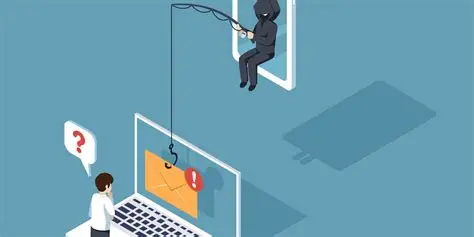
How phishing scams actually work
The name comes from “fishing” — the idea is to cast a hook and wait for someone to bite. Attackers impersonate trustworthy entities: your bank, the IRS, Netflix, Amazon, or even the HR department of your own company.
The email arrives with visuals identical to the real thing — correct logo, right fonts, everything. The message creates urgency: “Your account will be blocked in 24 hours”, “We detected a suspicious purchase”, “Update your information now”. You click the link, land on a page that looks identical to the real site, type in your credentials… and that’s it. You’ve been caught.
The warning signs you need to know
Suspicious sender: The email claims to be from your bank, but the address is something like “bankname@account-services.xyz”? Run. Legitimate companies use official domains.
Exaggerated urgency: Scams always create time pressure. “Resolve this now or lose access”. That’s psychological manipulation designed to make you act without thinking.
Suspicious links: Hover over the link (without clicking) and look at the actual address that appears in the browser’s status bar. If it doesn’t match the official site, it’s a scam.
Spelling and grammar errors: Many attacks still contain language mistakes. But be careful — the more sophisticated ones are now nearly flawless.
Unexpected attachments: Got an invoice for a purchase you didn’t make? A bill you don’t recognize? Don’t open it.
Spear phishing: when the attack is personalized
Regular phishing is mass-scale — they send to everyone and wait for bites. But there’s a much more dangerous version called spear phishing, where the attacker researches their target first. They know your name, your company, your boss’s name, and craft an extremely convincing, personalized message.
This type of attack is much harder to detect and is responsible for major corporate fraud.
What to do if you fall for a scam
First, don’t panic. Act quickly: change the password for the compromised account immediately, alert your bank if financial data was exposed, and enable two-factor authentication wherever you haven’t yet. If the attack happened at work, notify the IT team immediately — time is critical.
Healthy skepticism is your best protection. Before clicking any link in an email, take a breath, analyze it, and if in doubt, access the site by typing the address directly in your browser.