
Optical Zoom vs. Digital Zoom: Understanding the Difference and Why It Matters When Buying
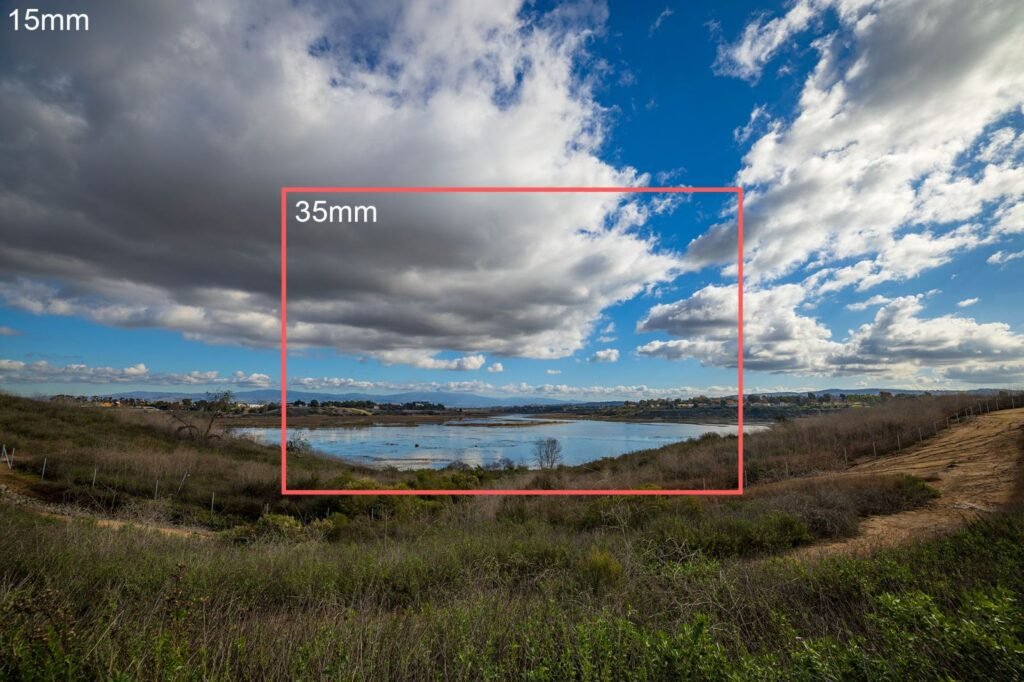
Smartphone camera specifications frequently list zoom values that sound impressive: “up to 100x zoom,” “periscope with 10x optical.” Understanding the fundamental difference between optical and digital zoom is essential for correctly interpreting these specifications and making informed purchasing decisions.
Optical zoom works through physical movement or configuration of the lenses, optically bringing the subject closer without any loss of sensor information. When you use 3x optical zoom on a smartphone with a dedicated telephoto camera, the sensor captures pixels from a lens with a focal length equivalent to three times that of the main camera. The full resolution of the telephoto sensor is available for the zoomed composition, resulting in images with native sharpness equivalent to the main camera.
Digital zoom, on the other hand, is a digital crop and enlargement of the original image. When you use 6x zoom on a device with a maximum of 3x optical, the system captures with the 3x camera and magnifies the image through software, interpolating pixels that don’t exist in the original capture. The result is progressive loss of sharpness, emergence of compression artifacts, and detail degradation directly proportional to the magnification factor beyond the optical limit.
Periscope cameras represent the most significant advance in mobile optical zoom. Instead of a lens that protrudes from the smartphone body, the periscope design uses a prism or mirror at 45 degrees to redirect light horizontally through the thin interior of the device, allowing much longer focal lengths without increasing device thickness. The Huawei Pura 70 Ultra and Samsung Galaxy S25 Ultra use periscope designs offering 5x and 10x true optical zoom, respectively.
Zoom quality is also determined by the telephoto lens aperture. Telephoto lenses tend to have smaller apertures (f/3.5 to f/5.0) compared to the main camera (f/1.7 to f/2.8), capturing less light and being more susceptible to motion blur in low-light conditions. This is why zoomed photos show more noise and blur in indoor environments or at dusk, even with active optical stabilization.
Hybrid computational zoom is a third category that manufacturers are developing. Samsung Space Zoom combines the optical zoom of the periscope sensor with AI-powered detail reconstruction, using information from multiple frames and the main sensor to synthesize details in amplified regions. Under ideal conditions, the result at 30x or 50x can be surprisingly usable for social media and smartphone screen viewing, though it still doesn’t compare to optical zoom in prints or large displays.
For practical purchases, the recommendation is clear: prioritize the maximum available optical zoom and treat any zoom beyond that value as a convenience feature, not a quality one. For nature photography, sports, or events where subject distance is challenging, cameras with a 5x or higher periscope offer genuine versatility. For casual use in travel and social events, 3x optical with good computational processing is generally sufficient.