
Is a Flagship Worth Buying? Mid-Range Phones Are Becoming Increasingly Competitive
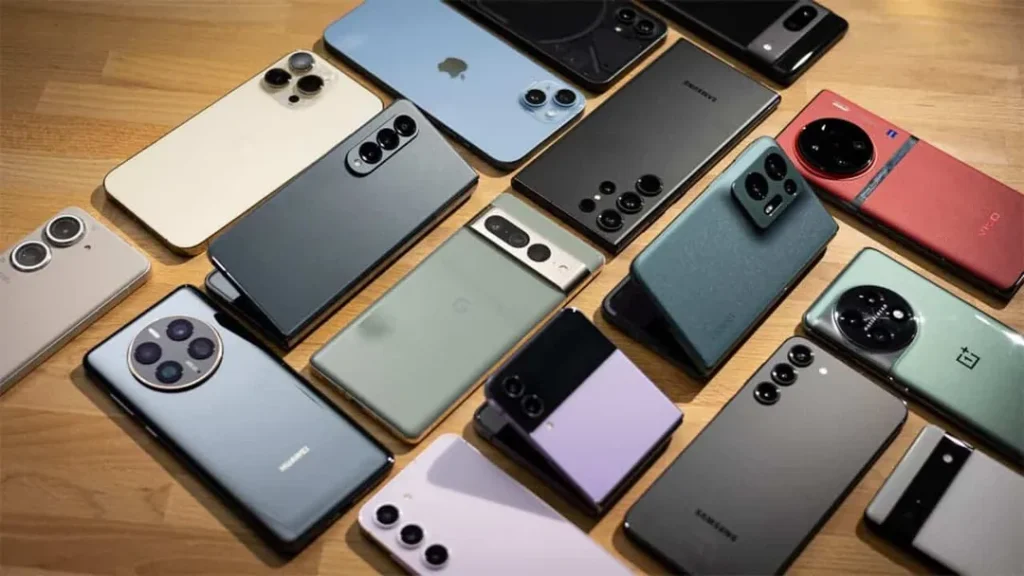
The smartphone market is experiencing a significant compression of performance between price categories. Devices costing between $400 and $700, classified as premium mid-range or “mid-range killers,” deliver specifications that three years ago would have been exclusive to flagships at $1,000 or more. Objectively analyzing where real differences exist between categories is fundamental for rational purchasing decisions.
The processor is where the difference between categories remains most relevant. Flagships like the Samsung Galaxy S25 Ultra and iPhone 16 Pro Max use the latest chips from each manufacturer (Snapdragon 8 Elite and A18 Pro), while premium mid-range devices use previous-generation chips or “lite” versions of top-line chips. In practice, for everyday use, the performance difference is not perceptible: both categories render social media, 4K video, and popular games without any limitation. The difference appears under intense, sustained workloads: local 4K video editing, code compilation, and games with advanced ray tracing where premium chips maintain performance longer without thermal throttling.
The camera is the area of greatest differentiation between categories. Flagships invest in larger sensors (up to one inch in the main sensor), periscope telephoto lenses with 5x to 10x optical zoom, and more advanced computational processing. Premium mid-range devices frequently use smaller sensors or telephoto cameras with only 2x or 3x optical zoom. For casual photography, travel, and social media, a premium mid-range like the Xiaomi 14T Pro or Google Pixel 9 delivers excellent results. For professional photography, low-light documentation, and sports event zoom, the difference is real and justifiable.
Build quality and materials show growing divergence. Flagships use titanium, Gorilla Glass Victus 2, robust IP68 certifications, and premium finish details. Premium mid-range uses high-quality aluminum, Gorilla Glass 5 or equivalents, and IP65 or IP67 certifications. The difference in perceived quality and durability is real, though it doesn’t compromise functionality.
Software updates are a frequently overlooked differentiator. Samsung guarantees seven years of system and security updates for its Galaxy S line, while the Galaxy A line receives four years. Google guarantees seven years for the entire Pixel line. Xiaomi varies significantly by model. A flagship with longer support may have a lower total cost of ownership than a mid-range that becomes obsolete sooner due to lack of support.
The cost-benefit analysis favors premium mid-range for most users: those who don’t photograph professionally, don’t edit heavy video on-device, and don’t play high-demand graphic titles will find everything they need in the $400 to $700 segment with excellent build quality and smooth performance.
The flagship justifies its price for users who specifically exploit its superior capabilities: mobile photographers who need advanced optical zoom and maximum low-light quality, content creators who edit on-device, gaming enthusiasts who play demanding titles in long sessions, and users who value premium materials and seven-year extended software support.